
Singalila Red Panda Tracking & Photography Expedition
Discover the rare, capture the extraordinary. A once-in-a-lifetime encounter with the unseen.
- Best Time to Visit: Oct to Dec (Peak Sightings) & March to May (Pleasant Weather)
- Duration Options: 4 to 8 Days (Customizable)
- Location: Singalila National Park (Kalipokhri / Sandakphu Range), West Bengal
- Nearest Airport/Station: Bagdogra (IXB) / New Jalpaiguri (NJP)
Trip Overview
- Prime Habitat: Dense bamboo undergrowth and a cool climate make Singalila India’s ultimate red panda stronghold.
- Remote Outposts: Stay in high-altitude villages like Kalipokhri (~3,100m) to access undisturbed trails and maximize sightings.
- Expert Trackers: Partner with elite local guides who excel at reading subtle forest signs, like fresh droppings and feeding marks.
- The Roof of the World: Experience jaw-dropping sunrise views of the Kanchenjunga and Everest ranges from high mountain ridges.
Key Highlights
- Dedicated Tracking: Slow, silent photography sessions focused entirely on capturing red pandas in their natural, misty environment.
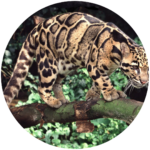
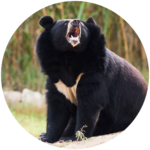
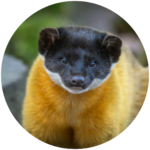
- Rare Mammals: Be ready for the Himalayan Black Bear, Yellow-throated Marten, Leopard Cat, and the elusive Clouded Leopard.
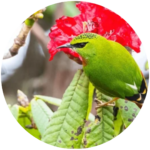
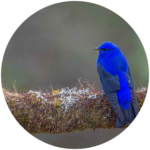
- 300+ Bird Species: Photograph stunning Himalayan specialties like the Fire-tailed Myzornis, Scarlet Minivet, and neon-blue Grandala.
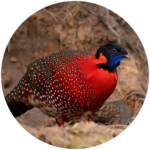
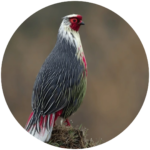
- Vibrant Pheasants: Explore high ridges to spot spectacular, ground-dwelling birds like the Blood Pheasant and Satyr Tragopan.
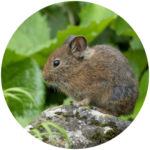
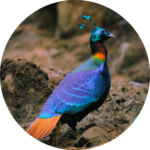
SINGALILA'S TOP 10 WILDLIFE & BIRDS

BEST TIME TO VISIT
October – December: The absolute best window for the highest chances of Red Panda sightings. The skies are clear for mountain views, and November/December offers a great chance to spot mothers with their cubs.
March – May: The spring season offers highly pleasant weather, blooming rhododendrons, and intense bird activity, making it perfect for combining mammal tracking with bird photography.
ITINERARIES
- Day 1: Arrive at NJP/Bagdogra. Drive to the entry zones (Manebhanjan/Tumling). Check-in and enjoy an evening briefing on tracking tips and low-light forest camera settings.
- Day 2: First intensive tracking session in the bamboo zones. Focus on reading feeding marks and capturing misty forest compositions. Afternoon session in a new zone.
- Day 3: Move deeper into the forest trails. Focus on Red Panda close-ups and behavior shots. Afternoon exploration of the ridge areas for Himalayan landscapes. Evening photo review.
- Day 4: Optional early morning shoot. Breakfast, check-out, and drive back to NJP/Bagdogra.
- Day 1: Drive from NJP/Bagdogra up to the high-altitude village of Kalipokhri (~3,100m). Evening misty lake photography and briefing.
- Day 2: Early morning bamboo forest entry. Track alongside locals while photographing forest birds like the Satyr Tragopan and Rufous Sibia.
- Day 3: Deep forest tracking. Take packed lunches to remain silent and motionless in prime Red Panda territory. Focus on storytelling frames and environmental portraits.
- Day 4: Ridge walk towards Sandakphu. Capture the Kanchenjunga range sunrise and high-altitude birds like the Grandala and Himalayan Monal.
- Day 5: Final morning shoot and departure.
- Days 1-2: Arrival in Kalipokhri. Begin morning and afternoon tracking sessions in Zone 1, focusing on bamboo habitats and mid-elevation birds (Fire-tailed Myzornis).
- Day 3: Push into Zone 2 (Deeper Forest). Slower, silent tracking for maximum sighting probability.
- Day 4: Dedicated full-day photography session. Follow fresh movement zones. Work on backlit forest shots, misty compositions, and tracking.
- Day 5: Sandakphu ridge exploration for dramatic cloudscapes, Kanchenjunga sunrise views, and high-altitude pheasants. Evening editing and portfolio workshop.
- Day 6: Departure to NJP/Bagdogra.
- Day 1 – Arrival & Transfer to Kalipokhri: Arrival at NJP/Bagdogra, drive via Manebhanjan to Kalipokhri (~3,100m), check-in, and an evening camera setup briefing.
- Day 2 – Red Panda Tracking (Zone 1): Early morning forest entry to focus on bamboo zones and tracking signs, followed by an afternoon second session.
- Day 3 – Red Panda Tracking (Zone 2 – Deep Forest): Move into deeper forest areas for Red Panda behavior shots and habitat storytelling, with a packed lunch in the forest.
- Day 4 – Intensive Tracking & Bird Photography: Full-day session to increase sighting probability with extended tracking and creative bird photography.
- Day 5 – Ridge Exploration (Sandakphu Side): Early morning departure to explore ridge trails near Sandakphu for the Kanchenjunga sunrise and high-altitude birds.
- Day 6 – Final Tracking + Portfolio Shots: Last full tracking day to revisit the best zones, follow fresh movement, and an evening storytelling workshop.
- Day 7 – Departure: Optional early morning shoot, breakfast, check-out, and return to NJP/Bagdogra.
300+ Birds & Rare Himalayan Mammals Recorded
- Mammals: Red Panda, Clouded Leopard, Himalayan Black Bear, Takin, Himalayan Serow, Leopard Cat, Yellow-throated Marten, Chinese Pangolin.
- Pheasants: Satyr Tragopan, Blood Pheasant, Himalayan Monal, Kalij Pheasant, Hill Partridge.
- Raptors: Mountain Hawk-Eagle, Golden Eagle, Himalayan Vulture, Black Baza.
- Passerines & Forest Birds: Fire-tailed Myzornis, Grandala, Scarlet Minivet, Spot-bellied Eagle Owl, Yellow-rumped Honeyguide, Golden-throated Barbet.
- Day 1 – Arrival & Transfer to Kalipokhri: Arrival at NJP/Bagdogra, drive via Manebhanjan to Kalipokhri (~3,100m), check-in, and an expedition briefing on tracking methods.
- Day 2 – Red Panda Tracking (Zone 1): Early morning forest entry focusing on bamboo habitat tracking, followed by an afternoon second session.
- Day 3 – Red Panda Tracking (Zone 2 – Deep Forest): Move into deeper forest zones for behavior shots and natural habitat compositions.
- Day 4 – Intensive Tracking & Bird Photography: Full-day field session to increase sighting chances, focusing on bird photography and backlit forest shots.
- Day 5 – Ridge Exploration (Sandakphu Side): Early departure for ridge trails to capture the Kanchenjunga sunrise and high-altitude birds.
- Day 6 – Advanced Tracking (Remote Zones): Explore less-visited forest areas for higher probability zones, close-up portraits, and unique storytelling frames.
- Day 7 – Final Tracking + Portfolio Completion: Last full day in the forest to fill missing shots, experiment with compositions, and an evening portfolio building guidance session.
- Day 8 – Departure: Optional early morning shoot, breakfast, check-out, and return to NJP/Bagdogra.
300+ Birds & Rare Himalayan Mammals Recorded
- Mammals: Red Panda, Clouded Leopard, Himalayan Black Bear, Takin, Himalayan Serow, Leopard Cat, Yellow-throated Marten, Chinese Pangolin.
- Pheasants: Satyr Tragopan, Blood Pheasant, Himalayan Monal, Kalij Pheasant, Hill Partridge.
- Raptors: Mountain Hawk-Eagle, Golden Eagle, Himalayan Vulture, Black Baza.
- Passerines & Forest Birds: Fire-tailed Myzornis, Grandala, Scarlet Minivet, Spot-bellied Eagle Owl, Yellow-rumped Honeyguide, Golden-throated Barbet.
Authentic Himalayan Homestays
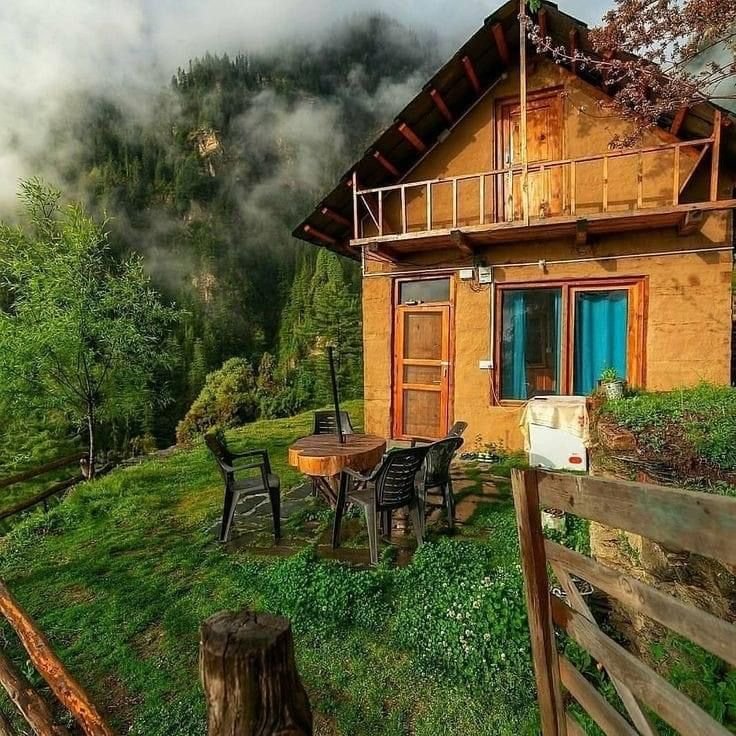
Stay in the Habitat: Sleep in cozy, remote high-altitude villages like Kalipokhri (~3,100m), allowing you to step directly into red panda territory every morning.
Maximum Birding Hours
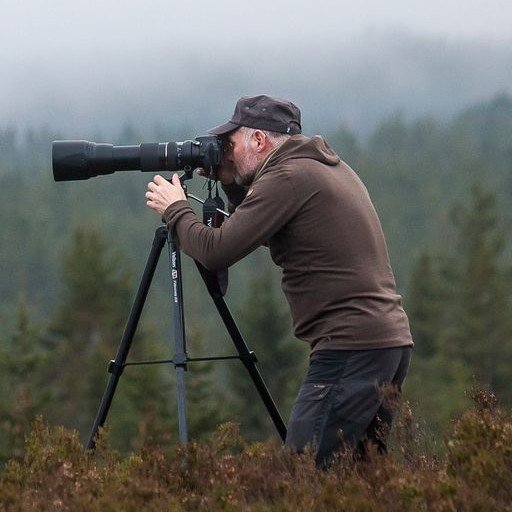
High-Efficiency Photography: By staying out in the field longer, you get the absolute best chances to capture elusive behaviors, misty environmental portraits, and rare lighting conditions.
Inclusions
- Accommodation in twin sharing with all meals (Breakfast, Lunch, and Dinner) in all mentioned stays.
- Guide charges for wildlife photography along with transfer charges as per the itinerary.
- Pick up and Drop charges from Bagdogra Airport / NJP Railway Station.
- All Tolls and Parking fees.
Exclusions
- Anything not specifically mentioned in the Inclusions list above.
Payment Policy:
Secure your trail with a 25% deposit. 50% is due 4 months prior to the trip, and the remaining 25% must be cleared 1 month before departure.
Cancellation & Refunds:
6 months before: 25% fee. 4 months before: 45% fee. Within 1 month: No refund. Note: In case of natural calamities, payments will be adjusted toward a future tour.
Climate & Gear Advice:
Singalila’s high-altitude weather is famously unpredictable—often cold, damp, and enveloped in deep mist. Temperatures can regularly drop below 0°C (32°F), especially from November to February. You must pack strategic thermal base layers, a premium windproof/waterproof down jacket, warm gloves, and sturdy trekking boots for moderate forest walking. For Photographers: Bring a fast-autofocus DSLR/Mirrorless body, a 300mm–600mm lens for wildlife, and a 70–200mm or wide-angle lens for the spectacular misty forest landscapes. Crucially, bring rain covers for your gear and pack multiple extra batteries, keeping them warm inside your jacket so the freezing air doesn’t drain them.
CHECK DATES & PRICING ON WHATSAPP
Address
.
junglebooktrails@gmail.com
Phone No
+91 74004 13805
Business Hours
Weekdays - 8AM to 5PM
Weekends- OFF